Guide · 6 minute read
How to Make a History Documentary Without a Camera
A history video stands on what it shows. You were not there with a camera - nobody was - so the question is where the pictures come from. There are five good answers, and each suits a different kind of story.
1. Real footage, found for each sentence
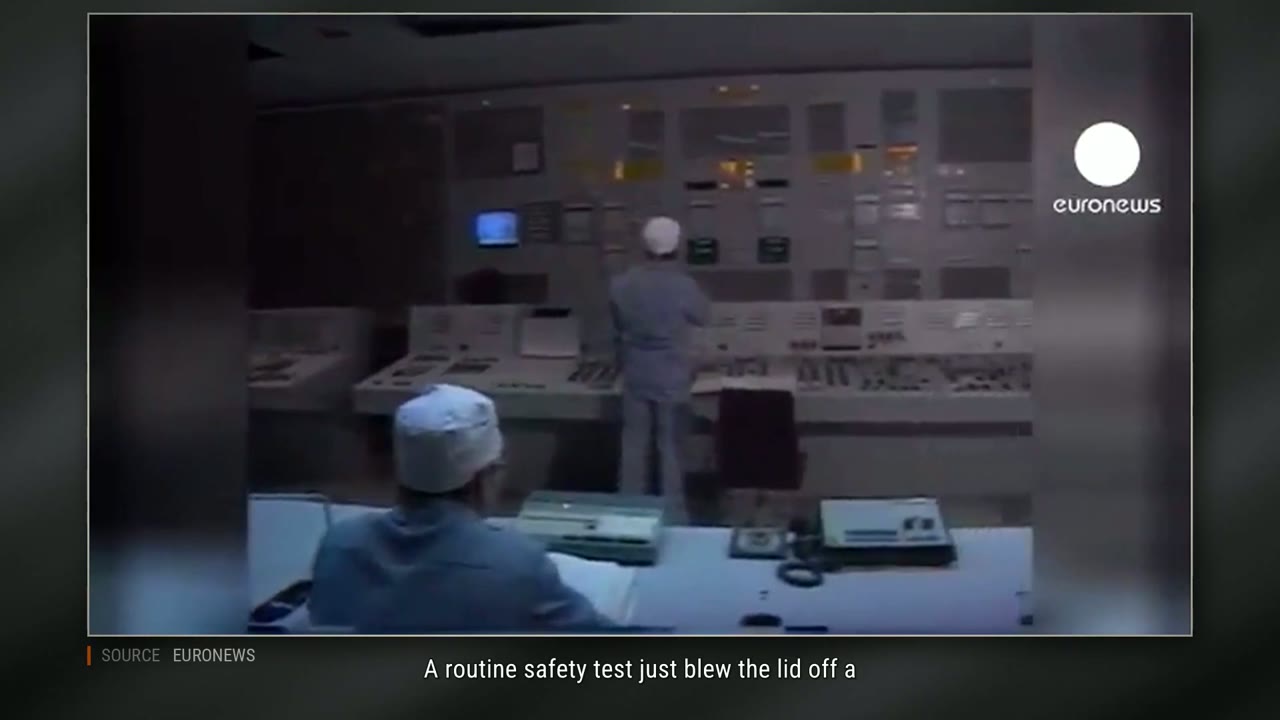
For events of the last hundred years there is film: newsreels, interviews, broadcasts. A Documentary made in VidGenius searches for footage for each sentence of your script and cuts it to the narration, with photographs, maps, figures on cards and real pages between.
Write for it: name real people, places, dates and events. "In July 1969 Neil Armstrong stepped onto the Moon" finds footage; "it was a turning point for humanity" does not, and gets a card or a map instead.
Check it: what is found can be wrong - a namesake, another event. Every piece is shown on a timeline against its sentence; look at each before you render.
2. Footage that is free to use
If you want no question about whose footage it is, a Stock Footage Documentary uses only stock libraries and public-domain archive film. It shows places, things, work, machines and crowds - not a named person or a particular event - so it suits general history: how a city grew, how a trade worked, what an age looked like.
3. Scenes nobody filmed
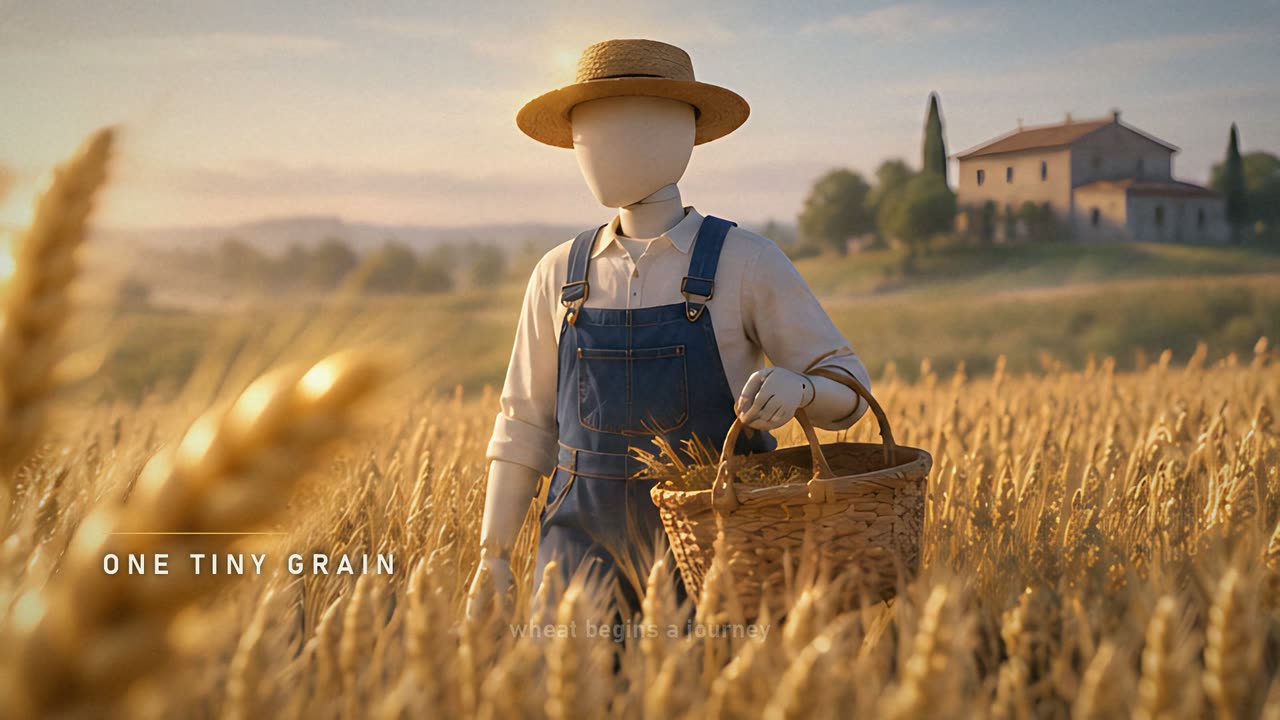
Before film there is nothing to find. A 3D Mannequin Documentary stages the story with faceless figures told apart by their clothes, one picture for each thought, while the camera moves through it. Because the figures have no faces, they can stand for anybody in any century without pretending to be them.
4. A painted page for each part of the story
An Illustrated Story paints one full scene for every page and letters its title in. It suits legends, biographies and history told to younger viewers.
5. The map
Some history is geography: a border that moved, a route, an empire's reach. A 2D Map Animation tells it on a real map as a vertical short, with every border taken from real map data.
A script that works in all five
- Open with the stake, not the date: what happened, and why it still matters.
- One fact a sentence, with its name, place and year.
- Say numbers plainly - they can be put on screen as they are said.
- End where you began: answer the question the opening asked.
Whose pictures are they?
Real footage belongs to the people who filmed it, and what you publish from it is yours to check and to answer for. The stock footage, mannequin, illustrated and map styles do not use other people's videos.